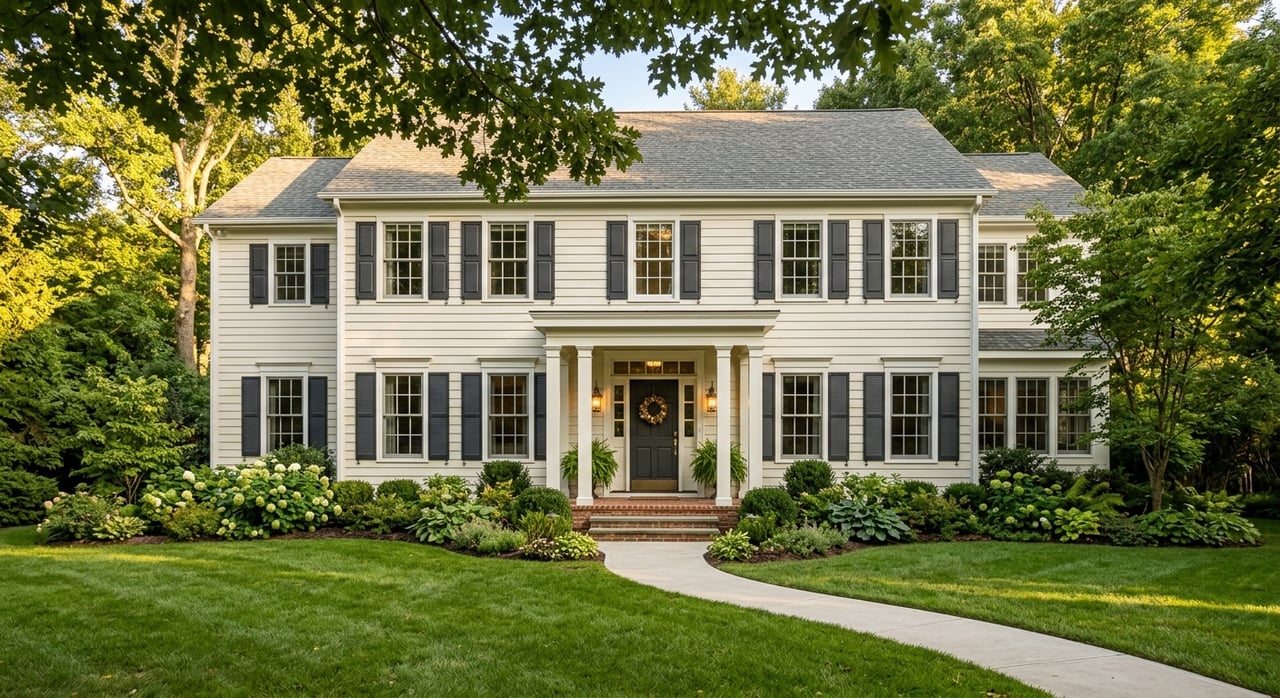
Greenville SC Relocation Guide for Smart Housing Decisions
April 2, 2026
April 2, 2026
Thinking about a move to Greenville, SC? You are not alone. Greenville draws attention for its Upstate location, broad housing mix, and easy regional access, but relocating here can still feel tricky when you are trying to compare neighborhoods, commute times, and home styles from a distance. This guide will help you make sense of the local housing landscape, budget more confidently, and narrow your search with a practical framework. Let’s dive in.
One of the most helpful things to know before you move is that Greenville does not operate like a stand-alone city. According to HUD’s January 2025 housing market profile, the broader metro includes Anderson, Greenville, Laurens, and Pickens counties and has an estimated population of about 1.0 million.
That matters because your home search may quickly expand beyond Greenville city limits. Many relocation buyers start in Greenville, then compare nearby communities like Easley or Powdersville once they weigh price, commute, and housing style. Looking at the Upstate as a connected market gives you a more realistic view of your options.
Greenville is also well connected for travel. Visit Greenville SC highlights access from I-85 and I-385, along with nonstop flights through Greenville-Spartanburg International Airport. If you expect frequent work trips, family visits, or a phased move, that accessibility can make a real difference.
If you are relocating, it helps to start with a clear snapshot of the city itself. The U.S. Census QuickFacts for Greenville estimates the city population at 74,371 in 2024, with a 41.1% owner-occupied housing rate.
The same source reports a median owner-occupied home value of $487,500. Median monthly owner costs with a mortgage are $2,106, median gross rent is $1,312, and mean travel time to work is 19.0 minutes. Those figures give you a solid starting point for comparing city living with nearby communities.
At the metro level, HUD describes the sales market as slightly tight, while the rental market is very soft. HUD also reports an average home price of $386,600 in 2024, up 7% from 2023. In simple terms, buyers should expect active competition in some price points, while renters may see a different supply picture depending on location and property type.
A common relocation question is whether Greenville is mostly a single-family market. The short answer is no. Based on HUD’s housing report, the sales market includes single-family homes, townhomes, and condominiums.
The rental market is mixed too. HUD says single-family homes account for 37% of occupied rental housing, while structures with five or more units, typically apartments, account for 40%. That means you have options whether you want a detached home, a lower-maintenance townhome, a condo closer to in-town amenities, or a rental while you learn the area.
This variety is one reason Greenville appeals to so many different buyers. You are not limited to one housing pattern, and that flexibility can be especially valuable if you are moving from a very different market.
Greenville’s housing story is not just about new construction or suburban expansion. The city’s official historic district list includes Hampton-Pinckney, Heritage, Overbrook, Pettigru, and West End.
For relocation buyers, that points to an important reality. Some areas offer older homes and established neighborhood character, while others may feel newer or more conventional in layout and design. If you care about architecture, lot size, renovation potential, or a more established streetscape, this is worth discussing early in your search.
The city also points to housing and neighborhood resources, which reflects how much local identity can vary from one part of Greenville to another. That is why relocation planning works best when you compare areas based on your daily routine, not just listing photos.
Many buyers relocating to the Upstate compare Greenville with nearby communities that offer different tradeoffs. Two of the most common comparisons are Powdersville and Easley.
Census Reporter’s Powdersville profile shows 11,321 residents across 13.8 square miles. QuickFacts data in that profile reports a 74.7% owner-occupied rate, a median owner-occupied value of $334,900, and a mean commute time of 36.1 minutes.
That suggests a more ownership-focused housing profile than Greenville city, with lower typical home values but longer commute times. For some buyers, that tradeoff feels worthwhile, especially if you want more space or a setting outside the core city.
The City of Easley describes itself as a growing community and the economic and residential center of Pickens County. Census-based figures cited there show 27,001 residents, a 68.9% owner-occupied rate, a median owner-occupied value of $263,500, and a mean commute time of 27.0 minutes.
Easley also highlights the 8.5-mile Doodle Trail as part of its local identity. From a relocation perspective, Easley often enters the conversation when buyers want to balance access to the Upstate with a more ownership-heavy market and a lower median home value than Greenville city.
When you compare these numbers side by side, a clear pattern emerges. Greenville city tends to offer a shorter average commute but higher housing costs, while Powdersville and Easley show higher owner-occupancy rates and lower median home values, paired with longer commute times.
That does not automatically make one choice better than another. It simply gives you a practical way to sort options based on what matters most to you:
If you are buying from out of town, preparation matters even more than usual. Before you start touring seriously, the Consumer Financial Protection Bureau recommends getting a preapproval letter.
CFPB notes that sellers frequently require preapproval, and it is only a tentative promise to lend. It also often expires in 30 to 60 days. If your move timeline is flexible, make sure your financing window matches your search plan.
Many relocating buyers focus on the down payment and forget the rest. According to the CFPB homebuying guidance, closing costs typically run 2% to 5% of the purchase price, and those costs are separate from your down payment.
That means your working budget should usually include:
If you are relocating from a more expensive market, Greenville-area pricing may look attractive at first glance. Even so, a complete budget gives you a better picture of what feels comfortable once the transaction is complete.
Long-distance buyers often have to make decisions quickly, and that can create pressure. The CFPB’s home search advice is clear that inspections are important, especially because serious flaws can change your decision when your contract includes the right contingency.
That is a key protection if you are buying from out of area and cannot evaluate every detail in person. CFPB also advises buyers to ask about flood and disaster risk before committing. These questions are part of smart due diligence, not just extra caution.
If Greenville is new to you, do not start by searching every listing in the region. Start by defining your top priorities, then match them to areas that fit your day-to-day life.
A practical shortlist might look like this:
This kind of framework helps you avoid chasing homes that look good online but do not support your bigger relocation goals.
A move to Greenville is not just about picking a house. It is about understanding how the Upstate fits together, how city living compares with nearby communities, and how to plan for the real costs and logistics of a remote move.
That is where local perspective can save you time. When you have someone helping you compare Greenville, Powdersville, Easley, and surrounding areas through the lens of commute, property type, and budget, your search becomes much more focused and much less stressful.
If you are planning a move to the Upstate and want a practical, local perspective on where to start, connect with Pam Merritt. You can get guidance tailored to your timeline, budget, and the type of property you want, whether you are drawn to Greenville city living or looking farther out for more space.

Get assistance in determining current property value, crafting a competitive offer, writing and negotiating a contract, and much more. Contact me today.