Thinking about selling your Easley home and wondering if timing really matters? You’re not alone. When you list can influence how fast you go under contract and how close you get to your asking price. In this guide, you’ll learn the seasonal patterns that shape Easley’s market, the key numbers to watch, and a simple 90–180 day plan to hit your ideal window. Let’s dive in.
What “best time” means in Easley
The best time to sell in Easley is usually when buyer demand is strong and competing inventory is manageable. In our area, market rhythm follows a common pattern seen across the Upstate. Late winter through late spring is typically the strongest stretch, and early fall often brings a second bump in activity.
Local micro-markets matter more than national headlines. Easley draws buyers who work across the Greater Greenville region, as well as those connected to employers in Greenville, Greer, and Clemson. Your neighborhood, price point, and property type all influence timing. The smartest approach is to align your listing date with local demand patterns while also watching the numbers below.
Seasonal patterns in Easley
- Spring peak (March–June). This is often the most active window for showings and offers. Homes tend to move faster, and sale prices are commonly closer to list. Many buyers want to settle before the next school year and prefer shopping during nicer weather.
- Early fall bump (September–October). After summer travel ends, buyers return. Inventory often ticks down after midsummer, which can improve leverage for well-prepared listings.
- Summer mixed (July–August). Some buyers remain active, but vacations can slow traffic. Listing in summer can still work, especially if your home is move-in ready and well priced.
- Late fall and winter (November–February). Activity usually slows, and days on market can stretch. Well-presented homes still sell, but you should plan for a longer timeline.
If you can aim for spring, great. If not, early fall is a solid second choice. That said, the right pricing and presentation can make any month work.
The metrics that signal your moment
Before you circle a listing date, check these local measures. They reveal how the market is moving in Easley and nearby areas.
Days on Market (DOM)
DOM is the median number of days from listing to contract. Shorter DOM signals stronger demand. As a rule of thumb:
- Under 30 days: hot seller’s market
- 30–60 days: active and competitive
- Over 60 days: slower pace, buyers have more negotiating room
List-to-sale price ratio
This is the sale price divided by the list price. It shows pricing power.
- At or above 100 percent: strong seller leverage
- 97–99 percent: balanced conditions
- Below 95 percent: buyer-leaning market
Months of supply (MOS)
MOS compares active listings to the pace of recent sales.
- Under 3 months: seller’s market
- 3–6 months: balanced
- Over 6 months: buyer’s market
New listings and pending sales
Look at the month-by-month flow. If new listings and pending sales rise together ahead of spring, that is a signal of an active selling window. If inventory rises while pendings fall, demand is softening.
Price per square foot and median sale price
These help shape your pricing strategy by property type and condition. Pair them with recent nearby comps for a realistic range.
How to read the numbers before you list
- Review DOM, list-to-sale ratio, MOS, and recent comps for your neighborhood and price band.
- If DOM is shortening and list-to-sale ratio is near 100 percent, consider a tighter pricing range and a focused marketing window.
- If DOM is rising and MOS grows, budget more time and price with precision.
Your 90–180 day plan to sell
You can set yourself up for a smooth sale by working backward from your target month. Use one of the two plans below, depending on when you want to close.
Plan A: Target a spring closing (May–June)
Start 90–120 days before listing.
- Day −120 to −90: Schedule a local pricing walk-through and comparative market analysis for your address. Gather repair and upgrade notes. Begin decluttering and plan any larger fixes.
- Day −90 to −60: Complete major repairs. Get bids for painting, roof, or flooring if needed. Outline your staging plan and book vendors early since spring gets busy.
- Day −60 to −30: Deep clean, finish touch-ups, and finalize staging. Schedule professional photos and media, including floor plan or virtual tour. Confirm your list price strategy based on updated comps and seasonality.
- Day −30 to 0: List on the MLS with premium media. Open your showing window and schedule open houses. Stay flexible during the first two weeks to maximize exposure.
- Listing to contract (0–60 days): Review offers, weigh terms and timing, and negotiate repairs after inspections.
- Contract to close (30–60 days): Track financing, appraisal, and closing tasks. Prepare your move plan.
Plan B: Target an early fall closing (September–October)
Start 120–180 days before listing if you want more project time.
- Day −180 to −120: Tackle bigger projects you do not want to rush, like exterior updates or landscaping that shows best in summer.
- Day −120 to −60: Wrap improvements. Set your staging plan and book photography to capture curb appeal.
- Day −60 to 0: Follow the same listing steps as spring. Highlight cozy features, outdoor living, and easy move-in timing.
- Listing to contract and contract to close: Expect a similar timeline to spring, but plan for slightly longer DOM if market data suggests it.
Strategy by property type
Different homes lean into different seasonal strengths. Adjust your plan based on what you are selling.
- Entry-level and move-up single-family homes: These often see peak interest in spring, when many buyers are active. Focus on fresh paint, clean lines, and clear pricing.
- Mid-to-upper market homes and estates: Presentation and reach matter more. Premium media, story-driven marketing, and targeted exposure can attract qualified buyers across seasons.
- Acreage, hobby farms, and equestrian properties: Many buyers shop year-round, but late spring and early fall show acreage at its best. Lean on clear land details, utility information, and on-site amenities.
Pricing and presentation that work in Easley
The right strategy can make your timing pay off.
- Get a local CMA and pricing walk-through. This sets realistic expectations and helps you time the market.
- Consider a pre-listing inspection. Fixing small issues upfront can reduce surprises and speed negotiations.
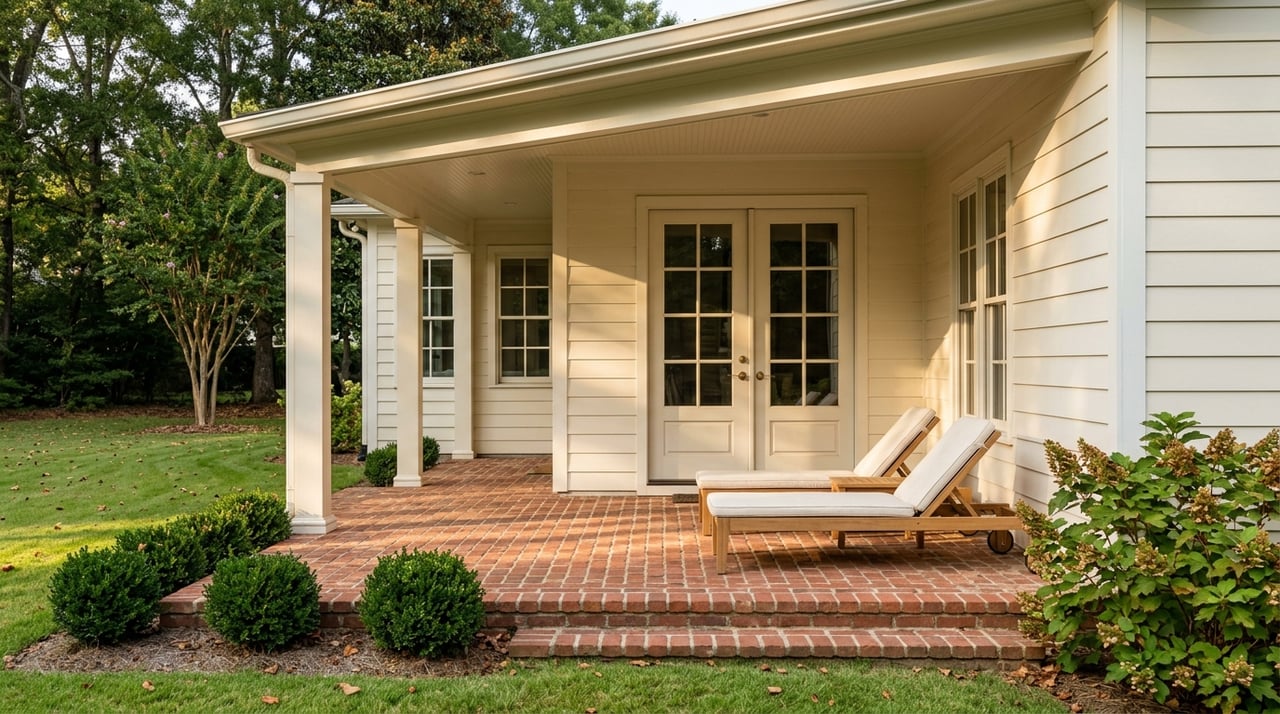
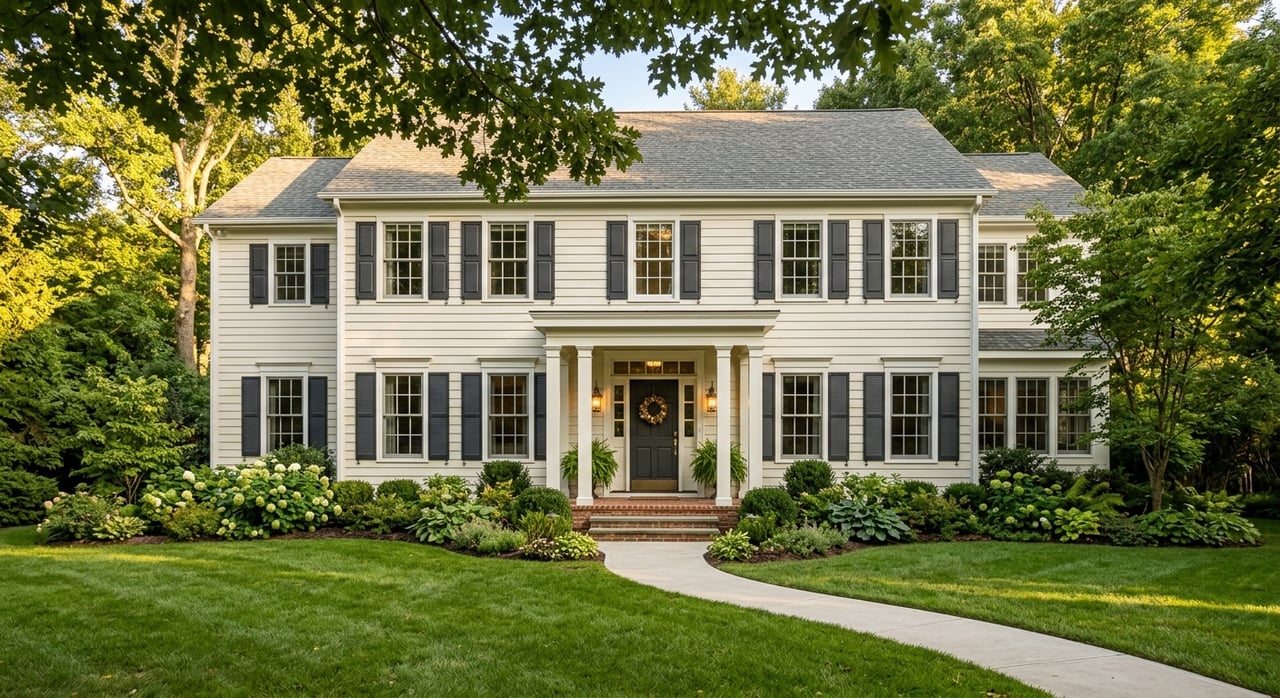
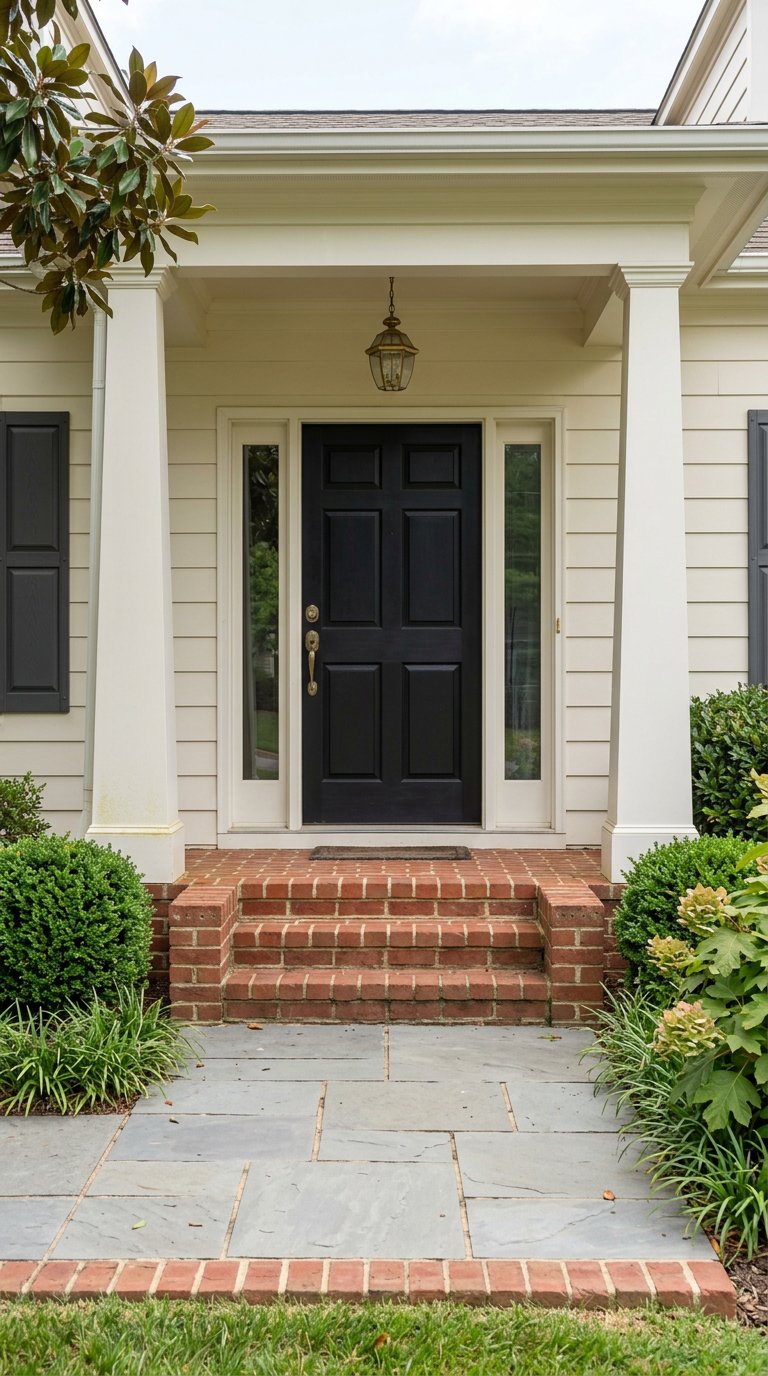
- Stage for your season. In spring, emphasize light and curb appeal. In fall, lean into warmth and outdoor spaces.
- Invest in professional media. High-quality photos, floor plans, and compelling copy bring more eyes and better traffic.
- Be showing-ready. The first two weeks are critical. Keep the home flexible for showings and tidy between appointments.
- Market for reach and fit. In addition to MLS exposure, premium digital presentation and lifestyle storytelling bring your home to the right buyers, including those relocating to the Upstate.
Quick seller checklist
- Request a comparative market analysis for your address.
- Decide on your target month and work backward 90–180 days.
- Order a pre-listing inspection if you want fewer surprises.
- Complete high-impact fixes: paint, small repairs, and curb appeal.
- Stage key rooms and book professional photography.
- Align timing with the local calendar you care about, including planned moves.
- Set showing windows and keep them flexible.
- Plan moving logistics and overlap strategies early.
When selling off-peak still makes sense
Sometimes your timeline will not align with spring or fall, and that is okay. Serious buyers shop year-round, and the right price and presentation can create demand in any month. If you list in winter, you may face fewer competing listings, which can help your home stand out. If you list in summer, lean into move-in readiness and quick closing options.
The key is to match your pricing and marketing to current conditions. Shorter DOM and list-to-sale ratios near 100 percent suggest you can price tighter. Longer DOM and rising inventory call for precision and patience.
Local demand drivers to keep in mind
- Commuter households working across Greenville and the Upstate often look for single-family homes with practical layouts and outdoor space.
- Downsizers and retirees value manageable homes and may prefer less hectic seasons.
- First-time buyers are price-sensitive and respond to well-prepared, correctly priced listings.
- Relocation buyers connected to area employers or local institutions often follow work schedules and academic calendars.
Ready to choose your month?
The right timing, pricing, and presentation can move you from just listed to just sold with less stress. If you are thinking about selling in Easley in the next 90–180 days, let’s map your calendar, confirm the latest local metrics, and build a plan tailored to your property and goals. Connect with Pam Merritt to get your local CMA and Get Your Instant Home Valuation.
FAQs
Is spring always the best time to sell a home in Easley?
- Spring is often strongest, but early fall can also perform well. Your neighborhood, price point, and current inventory can make another month the better choice.
How far in advance should I start preparing my Easley home?
- For a spring listing, begin 90–120 days out. If you plan bigger projects, allow 120–180 days, especially for a fall target.
What numbers should I check before listing in Easley?
- Focus on median Days on Market, list-to-sale price ratio, active inventory and months of supply, new listings versus pendings by month, and recent comparable sales.
Can I sell my Easley home in winter?
- Yes. Well-priced, well-presented homes sell year-round. Expect fewer buyers and possibly longer days on market, so price and marketing matter even more.