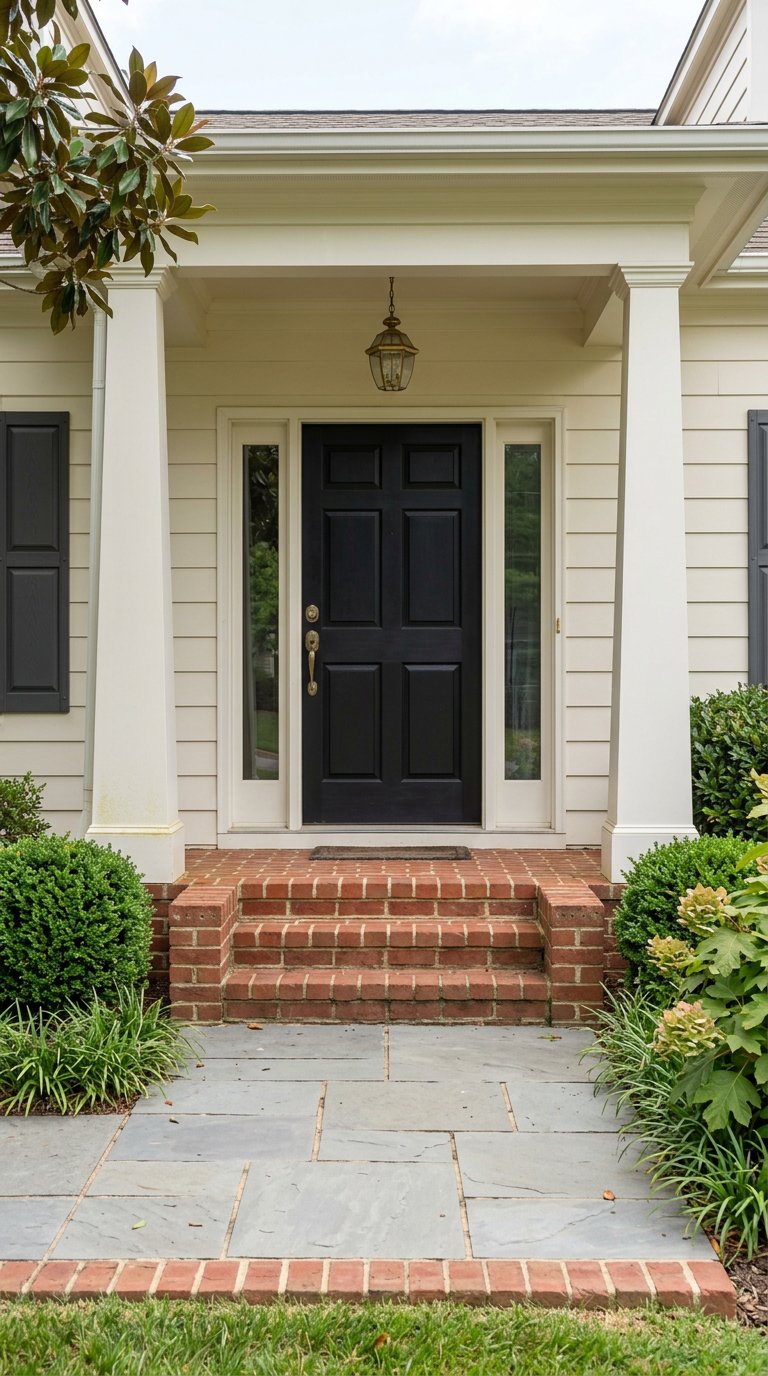
Thinking about selling your Anderson County home with acreage? You are not just listing a house. You are bringing land, utilities, access, and outbuildings to market, and buyers will look closely at every detail. With the right prep, documentation, pricing, and marketing, you can attract qualified buyers and move confidently toward closing. This guide walks you through each step so you can list with clarity and avoid surprises. Let’s dive in.
Why acreage sales are different
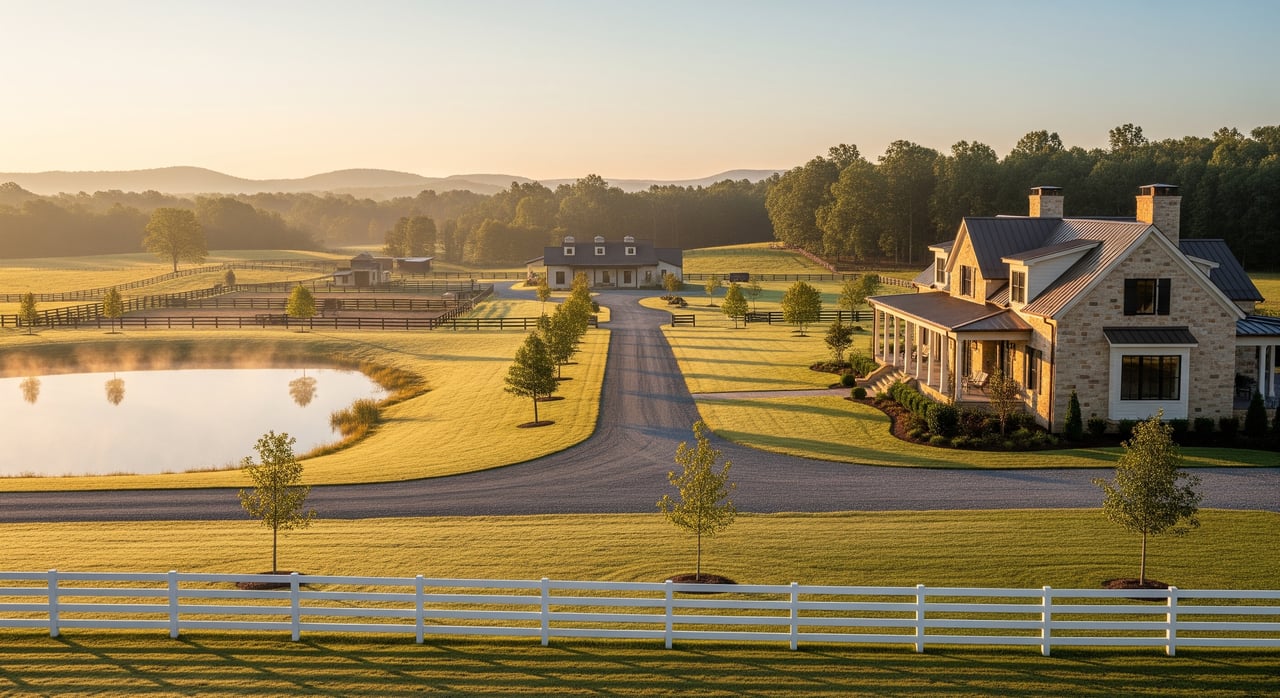
Selling acreage is part home sale, part land sale. Buyers want to evaluate the house, plus the usability and condition of the land. They will look at access, fencing, barns, water features, and where the utilities run. They may also ask for surveys, well and septic records, and any leases or easements.
You will likely face a longer timeline than a neighborhood listing because the buyer pool is more specialized. Appraisals and lender approvals can take longer, and inspections go beyond the typical home check. Setting expectations early helps you stay in control.
Get the land show-ready
A strong first impression starts at the entrance and continues across the property. Think about how a buyer will tour the parcel and plan a clear, safe route.
Access and first impressions
- Make sure the driveway and entrance are passable and clearly marked. Mow a corridor if tall grass hides ruts.
- Set a reliable showing plan. Use a lockbox, gate code, or plan to escort buyers so tours run smoothly.
- Freshen the entrance with simple fixes. Replace a leaning mailbox, touch up a gate post, or add clear signage.
Barns, sheds, and equipment areas
- Declutter and remove hazards. Pick up scrap, old drums, and non-operational equipment that distracts from usable land.
- Repair or replace obvious liabilities like broken gates or loose fencing.
- If buyers will value the barn, show it working. Lights on, waterers running, tack organized, and stall areas clean.
Pastures and safety
- Mow boundary lines, pasture buffers near the house, and a path to key features such as ponds or barns.
- Mark or cordon off hazards like steep drop-offs or old wells. Post signs where needed.
- Plan for animals during showings. Secure livestock or remove roaming animals to limit liability and keep buyers comfortable.
Design a simple tour route
Guide buyers from the entrance to the house, then to barns, pastures, water features, and a boundary view. A thought-out route helps buyers see the big picture and prevents missed features.
Quick prep checklist
- Clear and mark the entrance and driveway with easy showing instructions
- Mow primary viewing corridors and around the home and barns
- Secure animals and lock hazardous areas
- Clean and organize all outbuildings
- Test utilities used for showings, including well pumps and barn electric
- Remove or document any outbuildings beyond repair
Gather documents early
Buyers of acreage expect more documentation. Having it ready can save you from delays and renegotiations.
Survey, plat, and access
- Locate a recent boundary survey or plat that shows acreage, easements, and rights-of-way.
- If no current survey exists, expect buyers or lenders to request one. Budget time and cost early.
- Confirm legal access, whether via public road frontage or a recorded easement. Gather any private road maintenance agreements.
Wells, septic, and utilities
- Pull permits and service records for the septic system and well. Include age, type, depth, and recent tests.
- Map utility locations. Note where electric service, septic fields, water lines, and irrigation run.
- If buyers may consider future building sites, be ready for soil or perc testing requests.
Taxes, easements, leases, and restrictions
- Provide the deed, legal description, and any covenants or restrictions.
- Gather property tax history and note any agricultural classifications or exemptions.
- Disclose any lease income related to hay, livestock, hunting, or timber, and include copies of active agreements.
- If a conservation easement exists, include the full document. Easements affect value and use.
Outbuildings and claims
- Collect permits or build info for barns and sheds, plus insurance claim history.
- If timber value is significant, consider a timber appraisal and decide whether timber rights transfer.
Inspections you can expect
- Septic inspection or dye test
- Well water testing for coliform, nitrates, and local parameters
- Structural inspections for the house and large outbuildings
- Timber cruise or appraisal if applicable
- Soil or perc tests for future septic feasibility
Pricing and timeline in Anderson County
Pricing acreage in Anderson County means balancing the house, the land, and improvements. Appraisers will look for both residential and land comps, which can take more time to find.
How value is built
- House value plus land value
- Outbuildings and equipment value
- Income potential from leases or timber
- Location factors like road frontage, usable acres, water features, and proximity to town
Per-acre value is rarely uniform. Usable pasture, water access, and fencing can lift the number, while steep or heavily wooded sections can pull it down. Breaking out these components helps buyers see how you arrived at price.
Strategy and subdividing
Consider your likely buyer. Hobby farmers, equestrian buyers, and homesteaders value usable acreage and functioning facilities. Investors may focus more on timber or future subdivision potential. If you are considering subdividing, consult Anderson County Planning and septic feasibility first. Subdivision may increase total value but adds time, cost, and permitting steps.
Financing factors
- Rural homes can be financed with USDA, FHA, VA, or conventional loans, depending on eligibility and lender policy.
- Some lenders have acreage limits or treat income-producing elements conservatively.
- Appraisals may take longer when comps are limited, especially on larger or unique parcels.
- Encourage interested buyers to work with lenders experienced in rural properties to reduce surprises.
Timeline expectations
Expect longer days on market and a longer escrow period than a typical subdivision listing. Specialized buyer vetting, additional inspections, and appraisal complexity are common factors. If you plan to harvest timber or crops, disclose schedules and coordinate timing with buyers.
Marketing that moves acreage
Acreage buyers want a complete picture of the land and improvements. Your marketing should help them visualize access, boundaries, and use.
Media that matters
- Aerial and drone photos and video to show boundaries, topography, access, and proximity to town
- Parcel map overlays on aerials to illustrate lines and easements
- High-quality interior and exterior images of the home
- Detailed photos of barns, arenas, paddocks, and fence types
- A guided video tour that mirrors your in-person route
What buyers want to know fast
- Total acres and how many are usable, pasture, tillable, or wooded
- Water features such as ponds, streams, or springs and their typical uses
- Outbuilding details including age, construction, stall count, hay storage, and shelters
- Utilities, internet availability, and road access type
- What conveys, including fencing, gates, feeders, handling systems, and equipment
Showing strategies that work
- Host escorted open days so buyers can safely tour the full property with a knowledgeable guide.
- Provide a printed property packet with the survey, septic and well records, and a feature map.
- For remote or larger tracts, offer a virtual preview or land packet before scheduling in-person tours.
Target buyer segments
- Hobby farmers and small livestock owners
- Equestrian buyers
- Homesteaders seeking privacy with usable land
- Outdoor recreation and hunting buyers where appropriate
- Timber or investment buyers for larger tracts
Local steps and contacts
Before you list in Anderson County, line up your local due diligence.
- Contact the county assessor for parcel maps, tax history, and agricultural classification questions.
- Check Anderson County Planning and Zoning on current zoning, setbacks, subdivision rules, and access standards.
- Request septic records and any required inspections from county environmental health.
- Consult Clemson Cooperative Extension for pasture and fencing improvement guidance tailored to local conditions.
- If financing questions come up, encourage buyers to talk to lenders who regularly handle rural acreage in the Upstate.
Work with an acreage-savvy listing agent
Acreage and hobby-farm sales reward careful prep and strong storytelling. You want an agent who can speak the language of land and present your property with polish. Premium media, clear maps, and targeted outreach to the right buyer segments will set you apart. You also want steady guidance through surveys, easements, well and septic records, and specialized inspections.
With hands-on farm and renovation experience plus elevated marketing, you can position your Anderson County acreage to shine. If you are thinking about listing, start gathering records, tune up access and outbuildings, and set a strategy that matches your likely buyer. When you are ready, reach out for a tailored plan that brings your land and lifestyle to life on every platform.
Ready to take the next step? Connect with Pam for a local plan, premium presentation, and responsive service. Get Your Instant Home Valuation or reach out to schedule a walk-through with Pam Merritt.
FAQs
What documents do I need to sell acreage in Anderson County?
- Gather a recent survey or plat, deed and legal description, tax history, well and septic records, easements or restrictions, any leases, and permits or info for outbuildings.
How should I prepare barns and outbuildings before listing?
- Declutter, remove hazards, repair gates and fencing, confirm lights and water work, and present organized tack and storage areas so buyers see functionality.
Will financing take longer for rural homes with land?
- It often does, because lenders and appraisers need both residential and land comps, and some programs have acreage or use limits that require extra review.
Do I need a new survey to sell my property?
- Not always, but many buyers and lenders request one if the existing survey is outdated or missing, so budgeting for a current boundary survey is wise.
How do I price a home with acreage?
- Price by components: house, land, improvements like barns and fencing, and any income potential, while adjusting for usability, access, water features, and location.
Should I subdivide before selling?
- It can increase total value but adds time and costs for planning, septic feasibility, and approvals; talk with county planning before deciding.