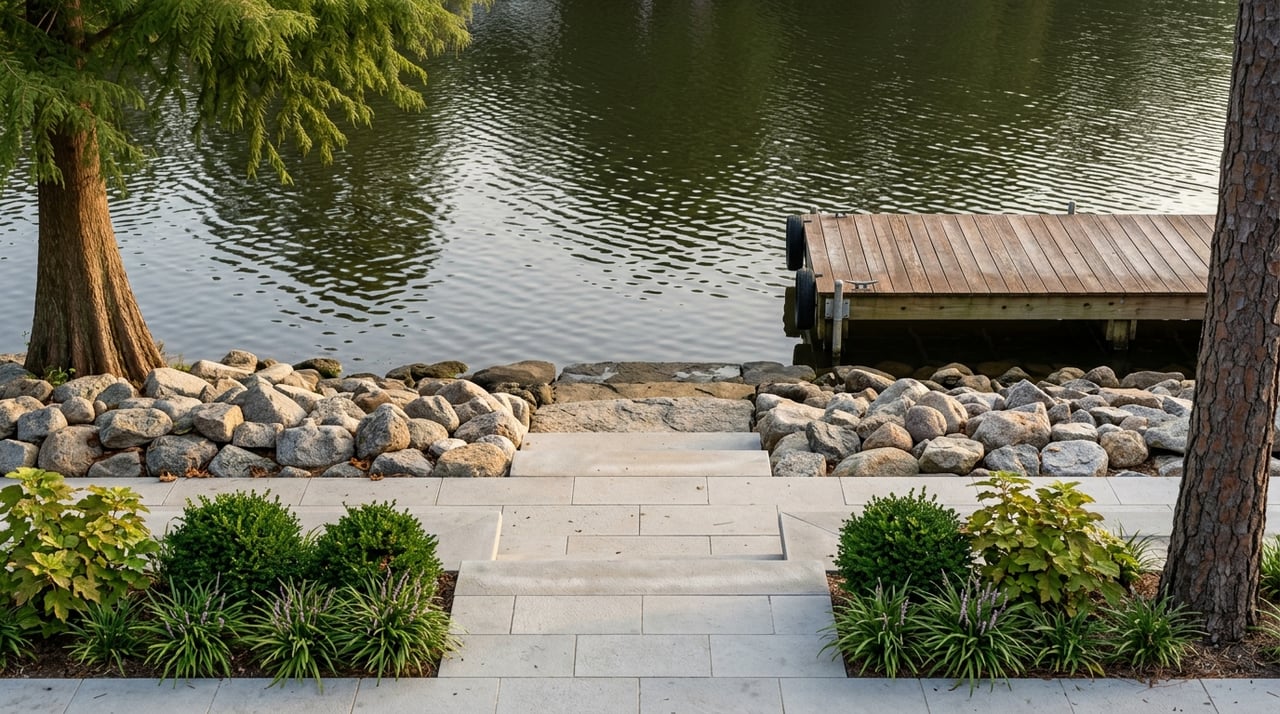
Which Lake Fits Your Life Near Clemson and Seneca?
June 4, 2026
June 4, 2026
Dreaming about mornings on the water and weekends that feel like a getaway? If you are thinking about lake living near Clemson and Seneca, you are really choosing between three very different lifestyles. The good news is that each lake offers something distinct, from wide-open recreation to quiet mountain scenery. This guide will help you compare the options, understand key ownership details, and figure out which setup fits your life best. Let’s dive in.
If you are shopping for lake property near Clemson and Seneca, you will likely compare Lake Hartwell, Lake Keowee, and Lake Jocassee. They sit in the same broader area, but they do not live the same way day to day.
Seneca describes the region as a lake-resort community built around these three lakes. According to local and state sources, they support public utilities, recreation, lakefront living, and water supply, which helps explain why buyers are drawn here for both full-time homes and weekend properties.
Lake Hartwell is the biggest option nearby, at roughly 56,000 acres with 962 miles of shoreline. Clemson’s comprehensive plan identifies it as one of the Southeast’s largest and most popular public recreation lakes, which tells you a lot about the feel of ownership here.
This is often the best fit if you want broad public access and lots of ways to enjoy the water. In and around Clemson, public access includes Larry Abernathy Lakefront Park, Mountain View Park, and nearby recreation areas with boat ramps, trailer parking, picnic spots, and waterfront amenities.
Lake Keowee is smaller than Hartwell, at about 18,372 to 18,500 acres, and it tends to feel more residential and mountain-oriented. Official park and utility sources point to a quieter setting with hiking, fishing, paddling, and shoreline activity managed through Duke Energy.
For many buyers, Keowee offers a balance between everyday usability and scenic appeal. It can feel more tucked into the landscape, which is part of why it often appeals to people looking for a calmer lake experience.
Lake Jocassee is the most undeveloped of the three, at 7,565 acres. State park materials describe it as spring-fed, clear, and mostly undeveloped, with waterfalls that are accessible only by boat.
Jocassee is more destination-like than neighborhood-like. Public access comes through Devils Fork State Park, so buyers who love boat-based exploration and a quieter, more natural setting often find it especially appealing.
The right lake is not just about the view from your porch. It is also about how you will actually spend your time on a normal Saturday, a quick weekday evening, or a long holiday weekend.
Hartwell supports a very public, active lake lifestyle. Clemson’s waterfront assets include a boardwalk park, kayak launch, and a large natural recreation area with a boat ramp and trailer parking, while the Twelve Mile Recreation Area adds a beach, picnic area, and launch ramp just outside the city.
If your ideal routine includes easy boating, paddling, swimming, or casual waterfront outings, Hartwell gives you plenty of places to plug into the lake. That broad access can be a major advantage if you do not need a highly secluded feel.
Keowee leans into a more relaxed pace. Keowee-Toxaway State Park notes opportunities for hiking, fishing, campsites, and paddling access, which makes the lake attractive if you enjoy mixing water time with a mountain setting.
This can be a strong choice if you want a lake that feels residential but still supports outdoor recreation. Buyers often like the idea of a home base that feels scenic and peaceful without losing practical access to the water.
Jocassee is built for people who want the lake itself to be the adventure. State sources highlight boat access, trout fishing, boat-in camping, and exploration of waterfalls and undeveloped shoreline.
That means daily life here may feel less like stepping into a neighborhood amenity and more like planning an outing. If that sounds exciting to you, Jocassee may stand out in a very different way than Hartwell or Keowee.
Even when your focus is the water, your year-round base still matters. That is where Seneca becomes especially important.
The city notes that its downtown historic district is listed on the National Register of Historic Places, and Clemson University is about 7.2 miles away. Clemson University also describes Clemson as a university town with a strong sense of community, with the Blue Ridge Mountains and all three lakes within about a half-hour drive.
For buyers, that means lake living here is not only about weekend scenery. You also have access to practical town services, a downtown core, and proximity to Clemson, which can make the area work well for both primary homes and second homes.
Lake homes can look simple on the surface, but the details matter. Before you fall in love with a view, make sure you understand the rules and realities that can shape your ownership experience.
If you are looking on Lake Keowee or Lake Jocassee, shoreline work is a major point to review early. Duke Energy says owners should contact Lake Services before changing piers, docks, or shoreline property, and its shoreline management plan governs construction, shoreline stabilization, and excavation inside the project boundary.
That means not every waterfront lot works the same way. A property may have water access, but your ability to add or modify shoreline features can depend on approvals and project-boundary rules.
In Oconee County, the Lake Keowee and Lake Jocassee overlay district extends 750 feet from full-pond contours. County zoning materials say that area includes special density and land-use standards, along with 25-foot undisturbed buffer rules intended to protect water quality and natural beauty.
For you as a buyer, this matters because the lot may offer less flexibility than you assume. It is smart to ask early about what can be built, altered, cleared, or expanded before making plans around a property.
Lake levels can change over time, and that affects real-life usability. Duke Energy explains that reservoir levels are managed across a larger system and may be influenced by water supply, drought mitigation, recreation, and habitat needs, while Clemson’s comprehensive plan notes that Hartwell levels have fluctuated widely.
This is one of those details that can affect your day-to-day enjoyment more than buyers expect. Dock design, launch access, and seasonal water conditions deserve close attention when comparing homes.
Not every lake buyer needs the same kind of property. In this area, shoppers often compare direct-water homes, off-water homes with public access nearby, and cabin-style or resort-style properties designed for shorter stays.
A direct-water home may appeal to you if immediate access is the whole point. These properties can be especially attractive when you want a dock, private shoreline use, and a stronger connection to the lake from your daily living space.
At the same time, direct-water ownership usually comes with more questions about shoreline permits, buffers, and long-term maintenance. That is why due diligence matters so much before you buy.
Some buyers find that an off-water home near a public ramp or park gives them the lifestyle they want without the added complexity of a true waterfront lot. Given the public access network around Hartwell and the park access around Keowee and Jocassee, this can be a very practical option.
This setup often works well if you care most about getting on the water, not necessarily owning the shoreline itself. It can also open up more choices on location, layout, and maintenance level.
If you are shopping for a second home, a cabin-style or retreat-style property may be the right fit. These homes often work best for buyers who want a place to unplug, host guests, and spend weekends near the lake rather than manage a more complex primary residence setup.
In this area, that choice often depends on how often you will visit, how you plan to store a boat or trailer, and whether simple access matters more than direct frontage. Those are practical questions worth answering before you narrow your search.
One of the biggest decisions is not just which lake to choose, but how you plan to live there. Your answer can shape everything from location to lot type.
Weekend buyers often prioritize easy launch access, comfortable guest space, and lower-maintenance ownership. Public ramps, parks, and recreation access can support that lifestyle well, especially if you do not want to manage every aspect of shoreline ownership.
Still, it helps to think through logistics. Boat storage, trailer handling, and future shoreline approvals can all affect how easy your retreat really feels.
Full-time buyers usually focus more on utilities, town access, and daily convenience. Seneca’s utility department says the city’s source water is Lake Keowee and reports that its drinking water meets state and federal standards, which matters if you are thinking about year-round living in the area.
A full-time home also puts more weight on your regular routines. Access to Seneca, proximity to Clemson, and the kind of maintenance your lot requires can all matter just as much as the lake itself.
Before you move forward, take time to compare the lakes through the lens of your own lifestyle. A beautiful property is only the right fit if it works for how you want to live.
Here are a few smart questions to keep in mind:
Lake living near Clemson and Seneca can be incredibly rewarding, but the right choice depends on more than a pretty shoreline. Hartwell, Keowee, and Jocassee each offer a different mix of access, scenery, and ownership considerations, and your best fit comes down to how you want to spend your time.
If you want help sorting through waterfront options, off-water alternatives, or lifestyle properties in the Upstate, working with someone who understands both the market and the land can make the process much easier. When you are ready to explore your options near Seneca and Clemson, connect with Pam Merritt for local guidance tailored to the way you want to live.
Get assistance in determining current property value, crafting a competitive offer, writing and negotiating a contract, and much more. Contact me today.